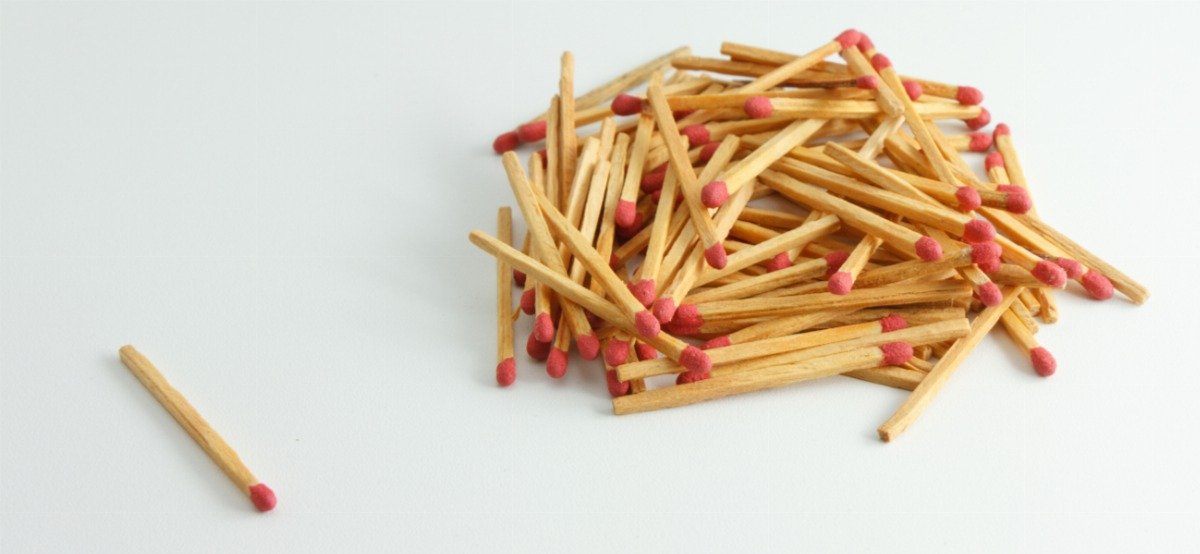
Ever found yourself in a foreign country, needing something as simple as a match, only to stumble over the right word? It's a common travel conundrum, especially when dealing with essential items like fire-starting matches. In Spanish, this seemingly straightforward concept presents a fascinating linguistic fork in the road, primarily between Cerilla vs. Fósforo. It’s not just a matter of synonyms; it’s a subtle dance of regionalism, primary meanings, and how you avoid accidentally asking for earwax instead of a way to light your campfire.
This guide will illuminate the nuances, ensuring you’re always understood, whether you're igniting a cozy fireplace in Madrid or lighting a barbecue in Mexico City.
At a Glance: Your Quick Guide to Spanish Matches
El Fósforo: The most universally understood term for a "match" or "matchstick" across the Spanish-speaking world, particularly in Latin America. It's also the scientific term for the element phosphorus.La Cerilla: Primarily means "earwax." However, in Spain,cerillais the common, everyday word for a "match."- Regional Rules: When in Spain, reach for
cerilla. Almost anywhere else,fósforois your best bet to avoid confusion. - Grammar Matters:
Fósforois masculine (el fósforo), whilecerillais feminine (la cerilla).
Unpacking El Fósforo: The Universal Match
Think of fósforo as your linguistic safe bet when you need a match. It’s the word that will be understood by nearly all Spanish speakers, from Buenos Aires to Bogota, and even in parts of Spain, although it might sound slightly less common for a match there.
More Than Just a Matchstick
Fósforo carries two distinct meanings, making it a versatile, albeit sometimes confusing, word:
- The Chemical Element: Phosphorus
In scientific and health contexts,fósfororefers to the chemical element "phosphorus." For example, a doctor might discuss yourniveles de fósforo(phosphorus levels) during a check-up, as noted by SpanishDict. This is its most literal, fundamental meaning, reflecting the historical use of phosphorus in match heads.
- Example: "Los análisis mostraron que mis niveles de fósforo están bajos." (The tests showed that my phosphorus levels were low.)
- The Household Item: A Match or Matchstick
This is the meaning we're primarily concerned with. When you're looking for something to start a fire,fósforois the go-to word across most of Latin America and is certainly understood everywhere. It can refer to a single match or the entire matchstick itself.
- Example: "Solo nos queda un fósforo para prender la fogata." (We only have one match left to light the fire with.)
- Example: "Este artista convierte millones de fósforos en maquetas muy detalladas." (This artist turns millions of matchsticks into very detailed models.)
Grammatical Note for Fósforo
Fósforo is a masculine noun. This means it takes masculine articles and adjectives. So, you'll say el fósforo (the match) or un fósforo (a match), and if you're talking about multiple, it's los fósforos.
Delving into La Cerilla: Spain's Special Match
Now, for la cerilla—a word that, outside of Spain, will likely lead to a very different kind of conversation.
A Tale of Two Meanings
Similar to fósforo, cerilla also boasts a dual identity:
- The Bodily Secretion: Earwax
This iscerilla's most common and widely understood meaning across the Spanish-speaking world, including Spain itself. If you're talking about earwax,cerillais the correct term. This is why usingcerillaoutside of Spain for a match can lead to amusing (or awkward) misunderstandings. SpanishDict highlights this as its primary translation.
- Example: "No te quites la cerilla con hisopos." (Don't use cotton swabs to remove earwax.)
- Example: "El doctor le encontró a su paciente mucha cerilla en los oídos." (The doctor found a lot of wax in his patient's ears.)
- The Matchstick: A Regionalism in Spain
Here's where the regional nuance truly shines. In Spain, and predominantly in Spain,cerillais the everyday, natural word for a match. It’s what you’d ask for in a shop, what a friend would offer you, or what you’d hear in casual conversation. If you’re traveling through Spain,cerillais the word you'll want to use for fire-starting matches.
- Example (in Spain): "¿Alguien tiene una cerilla para encender las velas?" (Does anyone have a match to light the candles?)
Grammatical Note for Cerilla
Cerilla is a feminine noun. So, you'll say la cerilla (the match/earwax) or una cerilla (a match/earwax), and las cerillas for plural. Always pair it with feminine articles and adjectives.
Navigating the Nuances: When to Use Which Term
The choice between cerilla and fósforo boils down to geography and context.
- When in Spain, do as the Spanish do: Use
la cerillafor a match. You’ll sound natural and be easily understood. - Everywhere else (Latin America, Canary Islands, etc.): Opt for
el fósforo. This is the standard, unambiguous term for a match. Usingcerillahere for a match might get you a puzzled look, or worse, a conversation about personal hygiene. - When discussing the chemical element: Always use
el fósforo. There’s no ambiguity here. - When discussing earwax: Always use
la cerilla. Again, no ambiguity.
Understanding this distinction isn't just about correctness; it's about cultural fluency and avoiding potential social gaffes.
Beyond the Basic Match: Expanding Your Fire-Related Vocabulary
While cerilla and fósforo are crucial for matches, the world of fire-starting offers more vocabulary to master. Expanding your lexicon around fire ensures you can discuss related actions and items with confidence.
Here are some essential terms to add to your repertoire:
El encendedor/El mechero: These are the common words for a "lighter" (the fluid-fueled kind).Mecherois very common in Spain, whileencendedoris widely used in Latin America.- Example: "Prefiero usar un mechero porque no se apaga con el viento." (I prefer to use a lighter because it doesn't go out in the wind.)
La llama: "The flame."- Example: "La vela tiene una llama pequeña pero constante." (The candle has a small but steady flame.)
Encender: "To light" or "to turn on." This verb is crucial for talking about starting a fire.- Example: "¿Puedes encender la fogata, por favor?" (Can you light the campfire, please?)
Apagar: "To extinguish" or "to turn off." The opposite ofencender.- Example: "Asegúrate de apagar todas las velas antes de dormir." (Make sure to put out all the candles before sleeping.)
El fuego: "Fire." A fundamental word.- Example: "Tuvimos que llamar a los bomberos por el fuego." (We had to call the firefighters because of the fire.)
La chispa: "A spark."- Example: "Salió una chispa del encendedor." (A spark came out of the lighter.)
Mastering these words alongsidecerillaandfósforowill make you much more articulate in fire-related scenarios.
Common Questions & Misconceptions Cleared Up
Let's tackle some frequently asked questions that might still be flickering in your mind.
"Can I just use fósforo everywhere to be safe?"
For "match," yes, largely. El fósforo will be understood for a match across almost all Spanish-speaking regions. However, in Spain, while understood, la cerilla is more natural and common. Think of it like "lift" vs. "elevator" in English; both are understood, but one is preferred regionally.
"Is cerilla ever used outside of Spain for a match?"
It's highly unlikely to be the default term for a match outside of Spain. If you hear it, it's either an individual with strong ties to Spain's dialect or a very localized, rare regionalism. Stick to fósforo in Latin America to avoid confusion with earwax.
"What about mechero? Isn't that a match?"
No. El mechero (or el encendedor) specifically refers to a lighter, like a Bic or Zippo, not a matchstick. It's an important distinction! While both are fire-starting tools, they are different objects.
Practical Tips for Spanish Learners
Learning these distinctions might seem minor, but they add layers of authenticity and precision to your Spanish.
- Listen Actively: Pay attention to how native speakers in different regions use these words. Immersion is your best teacher.
- Context is King: Always consider where you are. Your location will dictate the most appropriate term.
- Practice Makes Perfect: Integrate these words into your conversations. Role-play asking for a match in a store, or describing lighting something.
- Don't Fear Mistakes: Spanish speakers are generally very understanding of learners. If you use the "wrong" word, they'll likely correct you gently or understand from context. It's part of the learning journey!
The Curious Case of "Match": More Than Just Fire-Starting
It’s interesting how a single English word like "match" can have such distinct meanings—from a small stick that starts a fire to finding a compatible partner. While this article focuses on the fire-starting kind, it’s a good reminder that language is full of these delightful ambiguities.
Just as fósforo and cerilla diverge for fire-starters, Spanish also has specific vocabulary for "matches" in the sense of two things (or people) fitting well together. For instance, when you're talking about romantic compatibility or finding someone suitable for a relationship, you might use terms like pareja (partner/couple) or compatibilidad. If you're interested in exploring how to express finding your perfect match in Spanish in this different sense, you can learn Spanish for dating and delve into the vocabulary of love and relationships. It's a whole other kind of spark!
Your Path to Confident Spanish Communication
Understanding the nuances between cerilla and fósforo for fire-starting matches is a perfect example of how specific regionalisms can shape daily communication in Spanish. It's a small detail that makes a big difference in sounding like a native speaker and avoiding miscommunications.
By being mindful of your location and the primary meanings of these words, you’ll confidently ask for what you need, whether it’s to light a birthday candle or get a campfire roaring. Keep practicing, keep listening, and enjoy the rich diversity of the Spanish language!