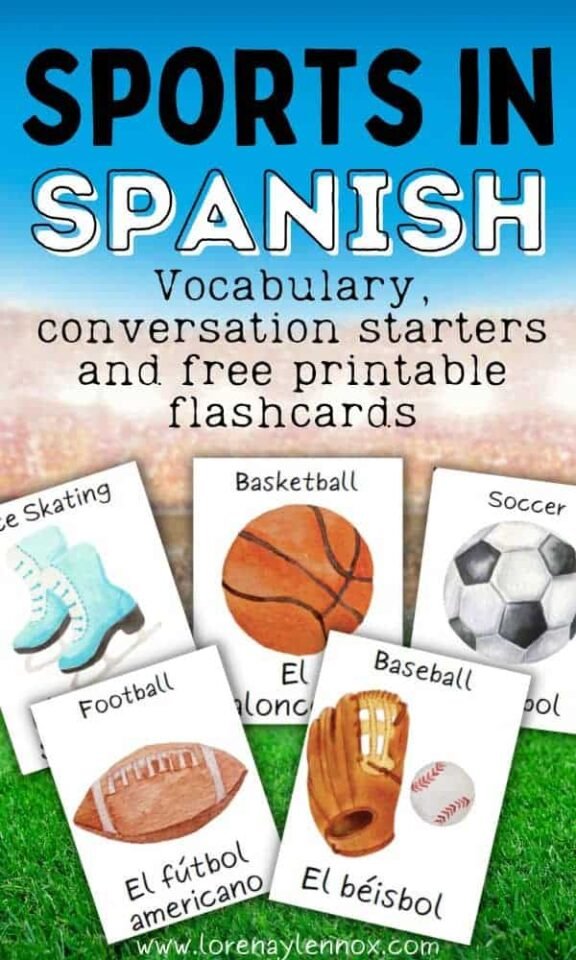
So, you're ready to dive into the thrilling world of sports in Spanish, whether you're watching a nail-biting soccer game, catching a tense tennis match, or just chatting with friends from Latin America or Spain. You've got your "¡Vamos!" ready, maybe even a "¡Qué golazo!" – but then you hit a linguistic curveball: is it partido or encuentro? And what’s the real difference between these Spanish terms for sports matches?
It’s a common point of confusion, even for advanced learners, because both words translate roughly to "match" or "game" in English. But like many languages, Spanish offers nuanced choices that can significantly refine your meaning and make you sound like a true insider. Understanding when to use partido and when to opt for encuentro isn't just about picking the right word; it's about grasping the subtle cultural and contextual undercurrents of sports talk.
This guide will clear up that confusion, give you a robust vocabulary for discussing all kinds of sports, and equip you with the phrases to express every peak and valley of a sporting event, from elation to frustration.
At a Glance: Key Takeaways for "Partido" vs. "Encuentro"
Partidois your go-to word for most organized, competitive sports events, especially team sports like soccer (fútbol), basketball (baloncesto), and baseball (béisbol). It implies a structured contest with rules, a winner and loser, and usually a score.Encuentrois more versatile. While it can sometimes refer to a sports match, particularly in individual sports like boxing (boxeo) or wrestling (lucha libre), its primary meaning is a "meeting" or "encounter." Think of it as a broader term that can describe any kind of gathering, sporting or otherwise.- Context is King: If you're talking about a typical league game, tournament final, or friendly exhibition in popular team sports,
partidois almost always correct.Encuentrois more common when emphasizing the coming together of opponents, or in contexts where "meeting" feels more appropriate than "game." - Regional Nuance: While
partidois universally understood,encuentromight have slight regional preferences or be used more formally in some sports journalism.
Demystifying the Main Event: Partido vs. Encuentro
Let's break down the two main contenders for "match" or "game" in Spanish, giving you a clear playbook for when to use each.
Partido: The Champion of Sports Matches
When you think of a typical sports match – two teams vying for victory on a field, court, or pitch – partido is almost certainly the word you're looking for. It’s the most common and direct translation for a competitive game or match in the vast majority of sports.
What Partido Implies:
- Structured Competition: A formal event governed by specific rules.
- Clear Outcome: Designed to have a winner and a loser (or a tie,
empate). - Team or Individual Sports: Used broadly, but especially prevalent for team sports.
- Common Examples:
Un partido de fútbol: A soccer match.Un partido de baloncesto: A basketball game.Un partido de tenis: A tennis match (often used interchangeably withencuentrohere, butpartidois very common).El próximo partido será crucial: The next match will be crucial.¿Viste el partido de ayer?: Did you watch yesterday's game?
Think ofpartidoas the staple, the default option. If in doubt,partidowill almost always be understood correctly when referring to a sports event.
Encuentro: The Nuanced Meeting
While encuentro can translate to "match," it carries a subtly different flavor. Its more literal meaning is "meeting," "encounter," or even "rendezvous." When applied to sports, it often emphasizes the act of two competitors or teams coming together to face each other.
What Encuentro Implies:
- The Act of Meeting: Focuses on the convergence of opponents.
- Broader Scope: Can be used for any kind of meeting, not just sports.
- Often More Formal or Poetic: Sometimes preferred in sports journalism or formal announcements, especially when highlighting the significance of the "meeting."
- Specific Contexts:
Un encuentro de boxeo: A boxing match (very common here, emphasizing the face-off).Un encuentro de lucha libre: A wrestling match.Un encuentro amistoso: A friendly match/meeting.El gran encuentro entre los dos rivales: The big encounter between the two rivals.- In tennis, you might hear both
partido de tenisandencuentro de tenis, withencuentrosometimes lending a slightly more formal or grand tone, especially for a significant face-off.
When to ChooseEncuentroOverPartido: - Individual Combat Sports:
Boxeo,lucha libreare prime examples whereencuentrofeels natural, highlighting the direct confrontation. - Emphasizing the Rivalry/Confrontation: When you want to stress that two particular entities (teams, players) are meeting each other.
- Formal or Journalistic Tone: You'll see
encuentrofrequently in sports headlines or analyses.
A Quick Analogy:
Imagine you're inviting friends over.Partidois like saying "Let's have a game night!" It’s specific to the activity.Encuentrois more like saying "Let's have a get-together!" It describes the gathering itself, which could include games, but isn't limited to them. In sports,partidois the game,encuentrois the meeting of competitors.
When you're discussing a regular season game or a specific fixture,partidois your safest and most natural bet. If you're reporting on a major face-off or a less conventional sports contest,encuentromight fit the bill perfectly. To truly master these nuances and more, you might want to Learn Spanish for Matches with specialized vocabulary and contextual practice.
Beyond the Whistle: Essential Spanish Sports Vocabulary You Need
To fully engage in sports conversations, you need more than just the words for "match." Here's a foundational vocabulary set that will cover most bases.
The Core Playbook: General Sports Terms
These are the words you’ll encounter constantly, regardless of the sport.
El deporte(Sport)Jugar(To play)El equipo(Team)El jugador/La jugadora(Player)El entrenador/La entrenadora(Coach)El árbitro/La árbitra(Referee)El campeonato(Championship)La competencia(Competition)El campo(Field)El estadio(Stadium)El aficionado/La aficionada(Fan)
Game Outcomes: Victory, Defeat, and Everything In Between
Every match has a result, and knowing how to describe it is crucial.
La victoria(Victory)La derrota(Defeat)El empate(Tie/Draw) – Crucial for soccer!Ganar(To win)Perder(To lose)El gol(Goal) – Not just soccer! Hockey, polo, etc.El punto(Point) – Basketball, tennis, volleyball, etc.
Crucial Equipment: What Players Use
While not exhaustive, these terms cover common sports gear.
La pelota/El balón(Ball) –Pelotafor smaller balls like tennis or baseball,balónfor larger ones like soccer or basketball.La raqueta(Racket)El bate(Bat)El guante(Glove)El casco(Helmet)Las gafas(Goggles)Las espinilleras(Shin guards)Los tacos/Las zapatillas(Cleats/Sports shoes)
Diving Deeper: Sport-Specific Spanish Terminology
Different sports have their own unique lexicon. Here’s a rundown of essential terms for some of the most popular sports in Spanish-speaking countries.
On the Pitch: Fútbol (Soccer)
The undisputed king in many Spanish-speaking nations, fútbol has a rich vocabulary.
El gol(Goal) – As in "¡Qué golazo!" (What a great goal!)El tiro libre(Free kick)La tarjeta amarilla/roja(Yellow/red card)Fuera de juego(Offside)El córner(Corner kick)La portería(Goal/Goalpost)El delantero(Forward)El defensa(Defender)El portero(Goalkeeper)
On the Court: Baloncesto (Basketball)
Basketball enjoys significant popularity, especially in Spain and parts of Latin America.
El mate(Slam dunk)El triple(Three-pointer)El rebote(Rebound)La falta(Foul)El tiempo extra(Overtime)La canasta(Basket/Hoop)El base(Point guard)El alero(Forward)El pívot(Center)
On the Racket: Tenis (Tennis)
Tennis has a global appeal and a specific set of terms.
La cancha(Tennis court)El servicio(Serve)La derecha(Forehand)El revés(Backhand)La volea(Volley)El smash(Smash)El as(Ace)Iguales(Deuce)La ventaja(Advantage)El punto de partido(Match point)La red(Net)
On the Track: Atletismo (Track and Field)
A foundational sport, atletismo covers a variety of disciplines.
La carrera de velocidad(Sprint)La carrera de obstáculos(Hurdle race)El salto de longitud(Long jump)El salto de altura(High jump)El lanzamiento de peso(Shot put)El lanzamiento de jabalina(Javelin throw)El lanzamiento de martillo(Hammer throw)El lanzamiento de disco(Discus throw)La pista(Track)
Speaking Like a Fan: Expressing Emotions and Idioms
Sports are inherently emotional. Knowing how to articulate your feelings and inject some local flavor will make your Spanish sound much more authentic.
Cheering & Celebrating: When Your Team Scores
When the action heats up or your team finds the net, these phrases come in handy.
¡Qué emocionante!(How exciting!)¡Increíble jugada!(Incredible play!)¡Estoy saltando de alegría!(I’m jumping for joy!)¡No puedo contener mi emoción!(I can’t contain my excitement!)¡Qué golazo!(What a great goal!) – More emphatic than¡Qué gol!¡Qué emocionante está el partido!(The game is so exciting!)
Frustration & Disappointment: When Things Don't Go Your Way
Even the best teams have bad days, and you'll want to express your dismay.
¡Qué decepción!(What a disappointment!)¡Estoy tan frustrado!(I’m so frustrated!)¡No puedo creerlo!(I can’t believe it!)¡Qué mala suerte!(What bad luck!)¡Árbitro, fue falta!(Referee, that was a foul!) – A classic protest!
Coloring Your Commentary: Phrasal Verbs & Idiomatic Expressions
These expressions add depth and local flavor to your sports commentary, often used by both fans and athletes.
For Enthusiastic Fans:
Estar como una cabra: Literally "to be like a goat," meaning to be very excited, passionate, or even a bit crazy (in a good way) about something.- Example: "¡Los aficionados estaban como cabras después de la victoria!" (The fans were going wild after the victory!)
Estar en la olla: Literally "to be in the pot," meaning to be under pressure or in a tough spot.- Example: "El equipo rival está en la olla, necesitan un gol para empatar." (The rival team is under pressure, they need a goal to tie.)
Ser la leche: Literally "to be the milk," but it's a very common Spanish idiom meaning something is amazing or impressive. (Can also be negative depending on context, but usually positive in sports).- Example: "¡Esa jugada fue la leche!" (That play was amazing!)
Used by Athletes (and Appreciated by Fans): Dejarse la piel: Literally "to leave one's skin," meaning to give your all or maximum effort.- Example: "Los jugadores se dejaron la piel en el campo." (The players gave their all on the field.)
Echar el resto: To give everything, to put in every last bit of effort.- Example: "Tenemos que echar el resto en la segunda mitad." (We have to give everything in the second half.)
Llegar a la meta: To achieve a goal or finish a challenge. (Can be literal in races, or metaphorical for overall objectives).- Example: "Su sueño es llegar a la meta en los Juegos Olímpicos." (His dream is to reach the goal at the Olympic Games.)
Mastering these expressions will make you sound less like a textbook and more like a seasoned fan who truly understands the game. Practicing these can significantly improve your ability to Learn Spanish for Matches and interact authentically.
Joining the Conversation: Engaging with Spanish Speakers About Sports
Watching a game is one thing; discussing it with native speakers is another. Here’s how to start and sustain a sports-related conversation.
Breaking the Ice: Starting a Conversation
A simple question can open the door to a lively chat.
¿Cuál es tu deporte favorito?(What’s your favorite sport?)¿Te gusta el fútbol/baloncesto/tenis?(Do you like soccer/basketball/tennis?)¿Sigues algún equipo en particular?(Do you follow any particular team?)¿Viste el partido de ayer?(Did you watch yesterday’s game?)¿Qué tal el partido de anoche?(How was the game last night?)
Sharing Your Takes: Expressing Preferences and Opinions
Don't be shy about sharing what you think!
Me gusta el fútbol.(I like soccer.)Nos encanta el baloncesto.(We love basketball.)Prefiero los deportes de equipo a los individuales.(I prefer team sports to individual ones.)Creo que es el mejor jugador del mundo.(I think he is the best player in the world.)Mi equipo favorito es...(My favorite team is...)
Analyzing the Action: Asking About Players and Teams
Dig deeper into the performance and specifics of the game.
¿Quién es tu jugador favorito?(Who is your favorite player?)¿Qué opinas del rendimiento del equipo esta temporada?(What do you think about the team’s performance this season?)¿Cuál fue el momento más emocionante del último partido?(What was the most exciting moment of the last game?)¿Crees que ganarán el campeonato?(Do you think they will win the championship?)
The Power of Encouragement: Cheering Your Team
A classic cheer that transcends sports.
¡Vamos, equipo!(Let’s go, team!)¡A ganar!(To win!)¡Sí se puede!(Yes, we can!)
Engaging in these conversations is an excellent way to practice and internalize the vocabulary you've learned, particularly the subtle distinctions between terms likepartidoandencuentro.
Where the Action Is: Popular Sports in Spanish-Speaking Countries
Understanding which sports dominate where can help you tailor your vocabulary and conversation topics.
Fútbol(Soccer): Without a doubt,fútbolis the most popular sport across virtually all Spanish-speaking countries. Nations like Spain, Mexico, and Argentina are passionately devoted, with legendary leagues and rivalries. Discussions aboutpartidos de fútbolare ubiquitous.Béisbol(Baseball): In the Caribbean and parts of Central America,béisbolreigns supreme. The Dominican Republic, Cuba, Venezuela, and Puerto Rico breathe baseball, producing many of the sport's greatest talents. Learningbéisbolterms is essential here.Baloncesto(Basketball): Also widely followed,baloncestohas a strong presence. Spain has a formidable national team and a top-tier league (ACB), and the sport is popular throughout Latin America.Tenis(Tennis): Tennis enjoys significant popularity, especially with the success of Spanish and Latin American players on the international circuit. Grand Slampartidosorencuentrosare often major talking points.- Other Sports: Depending on the region, you might find strong followings for
boxeo(boxing),ciclismo(cycling), especially in countries with challenging terrains, or evenfútbol americano(American football) in Mexico.
When planning your sports immersion, consider the local favorites. It's much easier to find conversations aboutfútbolin Argentina than aboutbéisbol, and vice-versa in the Dominican Republic. This contextual awareness is key to successfully using your developing Spanish vocabulary. For more resources to refine your sports lexicon, remember to Learn Spanish for Matches with specific drills.
Mastering the Game: Practical Tips for Practicing Sports Spanish
Learning vocabulary is just the first step. To truly master Spanish sports terms, you need consistent practice and immersion.
Creative Exercises to Boost Your Vocabulary
- Flashcards with Context: Don't just learn "partido = game." Create flashcards with example sentences for both
partidoandencuentro, illustrating their usage in different sports. Add sport-specific terms. - Watch Spanish Sports Shows: Tune into live
partidoswith Spanish commentary. Many online platforms and TV channels offer this. Pay attention to how commentators usepartido,encuentro, and other terms. Initially, you might only catch a few words, but your comprehension will rapidly improve. - Write Short Stories or Summaries: After watching a
partido, try writing a brief summary of the game in Spanish. Describe the key plays, the emotions of the fans, and the final outcome. This forces you to actively use the vocabulary. - Play Online Games in Spanish: If you enjoy sports video games, switch the language settings to Spanish. You'll pick up tactical commands and player descriptions naturally.
Engaging with Native Speakers for Authentic Practice
No substitute exists for real-world conversation.
- Join a Spanish-Language Sports Club or Team: If you live in an area with a Spanish-speaking community, look for local amateur sports leagues. This provides an immersive environment where you’ll naturally pick up phrases.
- Attend Spanish-Language Sporting Events: Go to a
partidoin a Spanish-speaking country or an event in your local area where Spanish is spoken. Listen to the crowd, the vendors, and try to engage in simple conversations. - Find a Language Exchange Partner: Platforms like Tandem or HelloTalk connect you with native Spanish speakers learning English. You can chat about sports, clarifying doubts about
partidovs.encuentroin real-time. - Participate in Online Spanish Sports Forums or Chat Rooms: Dive into discussions about
fútbol,baloncesto, orbéisbol. Reading and contributing to these forums will expose you to informal language and current slang.
Immersive Strategies for Everyday Learning
- Change Your Sports News Source: Instead of reading ESPN in English, switch to Marca (Spain), Olé (Argentina), or Televisa Deportes (Mexico). This will expose you to current sports journalism in Spanish.
- Listen to Sports Podcasts in Spanish: There are countless podcasts covering various sports. Find one for a sport you love and listen regularly. It’s excellent for improving listening comprehension and natural cadence.
- Narrate Games to Yourself: As you watch a
partido, try to provide your own running commentary in Spanish. Describe what's happening, predict plays, and react to the action.
By incorporating these practices, your understanding of Spanish sports terms, including the subtle distinctions betweenpartidoandencuentro, will deepen significantly. This deliberate practice is what truly helps you solidify your knowledge and confidently Learn Spanish for Matches in a meaningful way.
Your Next Play: Continuing Your Spanish Sports Journey
You now have a solid foundation for navigating Spanish sports conversations, equipped with the essential vocabulary and a clear understanding of when to use partido versus encuentro. Remember, partido is your reliable choice for most organized competitive games, while encuentro offers a nuanced alternative, especially in combat sports or when emphasizing the meeting of rivals.
The world of sports is dynamic, passionate, and deeply woven into the fabric of Spanish-speaking cultures. By embracing these linguistic tools, you're not just learning words; you're gaining access to a vibrant community and a thrilling aspect of life. Keep practicing, keep watching, and don't be afraid to jump into those conversations. Every goal, every point, every partido or encuentro is an opportunity to deepen your connection and appreciation for Spanish. ¡Vamos!