The English word "match" is a linguistic chameleon, effortlessly shifting its meaning from a small stick used to light a fire to a competitive sporting event, a perfect pairing, or even a compatible date. This versatility can be a real head-scratcher for Spanish learners, as there isn't a single equivalent word. Instead, Spanish offers a rich tapestry of terms, each precisely tailored to a specific context.
Understanding these nuances is key to sounding natural and accurate. From the mundane act of lighting a candle to the thrill of a football game, and even the complexities of human relationships, the Spanish language beautifully dissects the various facets of "match" into distinct expressions. Let's explore how Spanish navigates this linguistic challenge, ensuring you're always prepared with the right word for the right moment.
Lighting the Way: Spanish Words for Fire-Starting Matches
When you need a literal "match" to ignite something, Spanish provides a few excellent options, with regional variations that are important to note. The most universally recognized term is fósforo (masculine). You'll hear this across most Spanish-speaking countries. For instance, "Usa un fósforo para encender la vela" means "Use a match to light the candle." It's a straightforward and widely understood choice.
However, travel across the vast Spanish-speaking world, and you'll encounter delightful regionalisms. In Mexico, for example, el cerillo (masculine) is the common word. Imagine a situation where "Los cerillos se mojaron así que tuvimos que botarlos" (The matches got wet so we had to throw them out). Head over to Spain, and you're more likely to hear la cerilla (feminine). If someone asks you for one, they might say, "Me pidió una cerilla para encender su cigarrillo" (He asked me for a match to light his cigarette). Knowing these regional differences can save you from confusion and help you connect more deeply with local speakers. Dive deeper into these specific terms and their origins with our guide on Cerilla or fósforo: know the difference.
The Thrill of Competition: "Match" in Sports
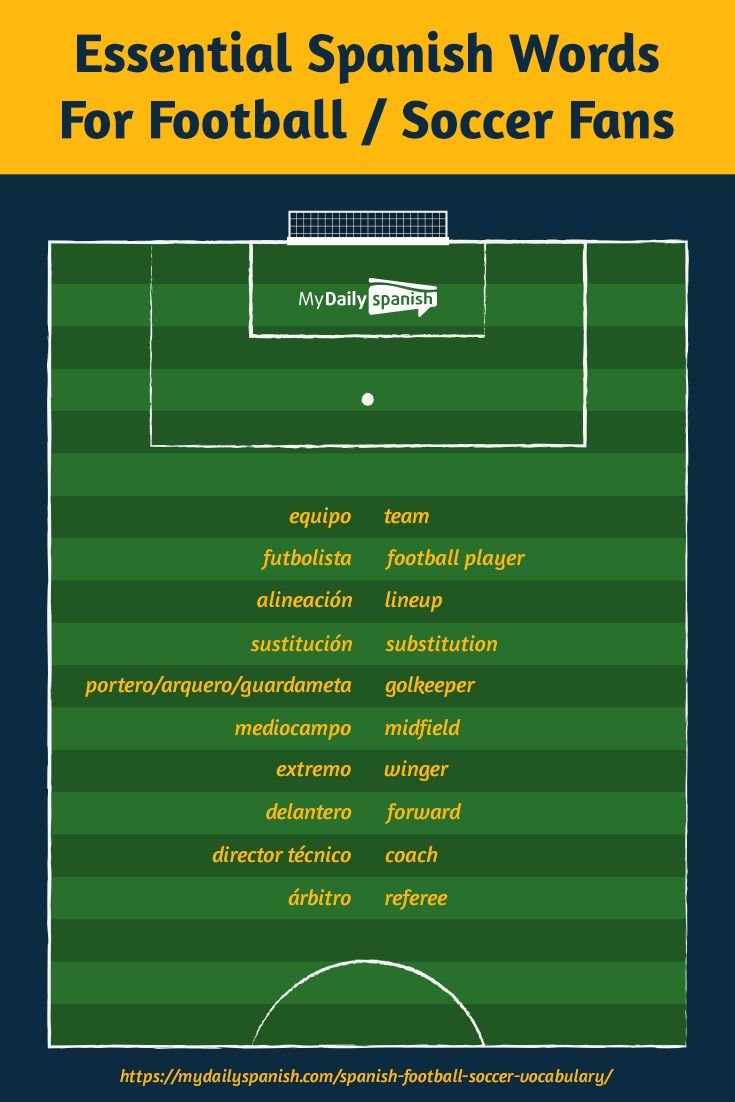
When "match" refers to a competitive event, especially in sports, the Spanish term is almost always el partido (masculine). This is a broad term that covers everything from a casual game to a major championship. Whether it's football, tennis, or basketball, partido is your go-to word.
For example, you might hear "El partido España-Bielorrusia se celebrará mañana en Barcelona" (The Spain-Belarus match will be held tomorrow in Barcelona). This term is versatile and applies to individual competitors, teams, and various sports scenarios. Consider the news headlines about "schedule of matches of FC Barcelona/Real Madrid" or commentary on how "competitors will not play two matches against the same opponent." To fully grasp how to talk about games and encounters in Spanish, make sure to read our detailed breakdown on Spanish Terms for Sports Matches.
Finding Your Other Half: "Match" in Dating and Compatibility
In the context of dating or compatibility, "match" rarely translates to a single Spanish word. Instead, Spanish uses idiomatic expressions and phrases to convey the idea of two people being well-suited for each other. You might describe someone as a "good match" for another using terms related to "pair" or "fit."
For instance, "Creo que Alicia haría buena pareja con Jorge" (I think Alicia would be a great match for Jorge) uses pareja to mean a compatible partner. If you're pondering astrological compatibility, you might ask, "¿Qué signo es el que mejor me corresponde?" (What sign is the best match for me?). The concept often revolves around "coincidencia" (coincidence/agreement) or "emparejamiento" (pairing). These expressions highlight the idea of finding someone who complements another. Explore all the romantic and relational nuances by checking out our guide to Learn Spanish for dating.
The Art of Harmonizing: "Match" for Pairing and Fitting
Beyond striking a match or watching a game, "match" often implies things that go together, fit, or are in harmony – whether it's colors, patterns, or objects. As a verb, "to match" can be translated using several verbs depending on the specific context.
When something "goes with" or "harmonizes" with another, combinar con (transitive) or simply combinar (intransitive) are excellent choices. For example, "Él siempre asegura que su cinturón combine con sus zapatos" (He always makes sure that his belt matches his shoes). Or, you could say, "Tus zapatos y tu bolso no tienen que combinar" (Your shoes and purse do not have to match). For physically pairing items, emparejar is a great fit, as in "Empareja las frases y las imágenes" (Match the sentences and the images). To truly master these distinctions and ensure your descriptions of matching items are spot on, we recommend you Unlock Spanish pairing and fitting.
Context is King: Choosing the Right "Match" Equivalent
The verb "to match" can also mean to equal, to be in competition with, or to correspond in value or quality. Here, Spanish requires even more careful consideration of context. To "equal" something, you'd typically use igualar. For example, "No sé si podrán igualar el aumento en ventas del año pasado" (I don't know if they'll be able to match last year's sales growth). When two entities are "in competition with" each other, enfrentarse is the appropriate verb: "Los cuatro equipos se enfrentarán en la ronda de eliminación" (The four teams will match in the elimination round).
Understanding whether you're talking about equivalence, rivalry, or simply correspondence will guide you to the correct verb. Synonyms like rival, equal, approach, and touch in English each have their distinct Spanish counterparts, often requiring different verbs or phrases. For a deeper dive into these subtleties and to ensure you pick the perfect word every time, refer to our Contextual Guide: Choosing the Right Spanish equivalent. This comprehensive guide will illuminate the path to flawless communication.
Expanding Your Vocabulary: Key Phrases and Beyond
To further enrich your understanding, remember these common phrases:
- "Box of matches" translates to caja de fósforos.
- A "round of matches" (in a competition context) is la jornada.
By now, it's clear that translating "match" isn't a simple one-to-one swap. It’s a journey through the logical and expressive landscape of the Spanish language, requiring attention to context, regionalisms, and idiomatic expressions. Embrace this journey, and you'll find your Spanish communication becoming much more precise and nuanced. Keep exploring these distinctions, and you'll soon be speaking with the confidence of a true language connoisseur.